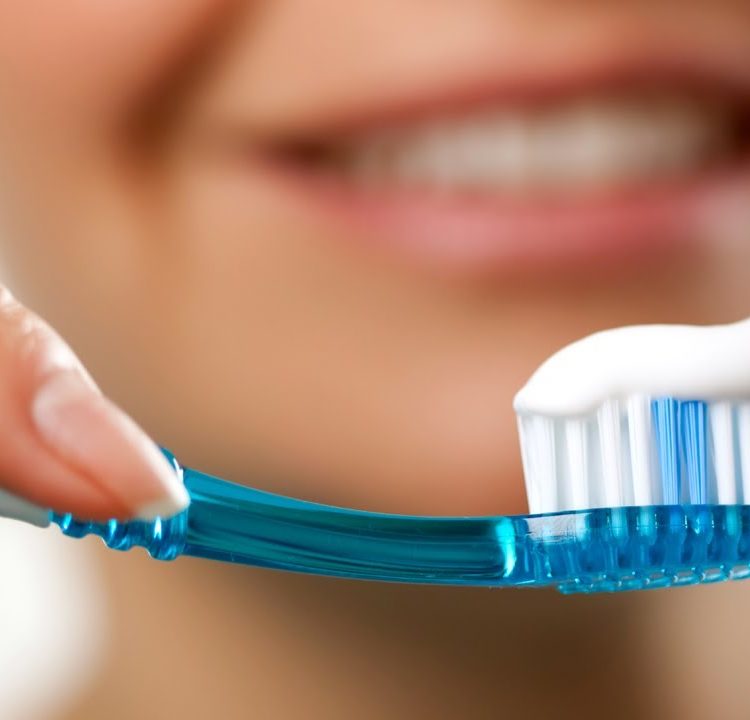
The cheapest tooth is the one that never needed repairing.
Tartar removal
Tartar is hardened deposit that a toothbrush can no longer remove. It gathers along the gum line and causes inflammation there: the gums bleed when you brush and recede over time. We remove it with ultrasound, without scraping; for most people once a year is enough, while people who smoke or drink a lot of coffee should come more often. After removal the teeth can feel sensitive for a day or two, and that passes. Worth knowing: receded gums do not grow back on their own, but what we can prevent is further recession.
Air-flow stain removal
Air polishing removes the pigment stains from coffee, tea and cigarettes that remain even after tartar has been cleaned off. The teeth return to their natural colour, and this is not whitening, it is removing what darkened them. Many people are happy with that result and need no whitening at all, and after the cleaning we will tell you whether whitening would still make a difference in your case.
Fluoride treatment
Fluoride strengthens the enamel and reduces sensitivity. It is useful for children, for sensitive necks of teeth and after whitening. The application takes only a few minutes and is painless.
Fissure sealing for children
Molars have deep grooves where food collects and where a toothbrush cannot reach, and that is where decay most often starts. The grooves are filled with a protective material as soon as the tooth has come through, with no drilling and no anaesthetic. For children this is often the first pleasant appointment at the dentist: nothing unpleasant happens, and they get to know the practice before anything hurts.
Care at home
Brush twice a day and clean between the teeth once a day with floss or interdental brushes, because that is where decay most often starts and the brush does not reach. We show you the right size of interdental brush at your appointment, since the wrong size does very little. An electric toothbrush helps, but it is no substitute for technique and time, and what matters more than the device is that every surface of every tooth is reached.
When to come in
A check-up once a year, tartar removal as needed. If your gums bleed when you brush, do not wait for the next check-up, because that is a sign of inflammation and the best moment to do something about it. Come in too if the necks of your teeth react to cold, if something has changed along the gum line, or if you notice that deposits are building up faster than they used to.
At a prevention appointment
First we look at the teeth and gums and establish where plaque and tartar have formed. Then comes removal with ultrasound and, if stains remain, air polishing. Finally the teeth are polished and, if you wish, treated with fluoride. An appointment does not usually take long, and you can go back to your day straight afterwards with no restrictions.
Frequently asked questions
How often should tartar be removed?
Once a year is enough for most people. If you smoke, drink a lot of coffee or tea, or build up deposits quickly, come more often. After an examination we will tell you what interval makes sense for you.
Does tartar removal hurt?
Usually not. It can be uncomfortable if the gums are inflamed or have receded, so tell us and we will work more gently or use a local anaesthetic. Afterwards the teeth may be sensitive for a day or two.
Does tartar removal loosen the teeth?
No. It can feel that way, because after cleaning you notice the gaps that tartar used to fill. The tartar was not holding the teeth in place, it was damaging the gums.
Is air polishing the same as whitening?
No. It removes external stains and restores the tooth's natural colour. Whitening lightens the tooth's own shade by several steps. Cleaning is often the first step and frequently turns out to be enough.
From what age should children come for check-ups?
A first visit makes sense as soon as the first teeth appear, even if it is only to look around and get familiar. For fissure sealing, the right moment is shortly after the permanent molars come through.
My gums bleed when I brush, should I brush less?
The opposite: bleeding is usually a sign of inflammation caused by plaque. Keep brushing, thoroughly but without force, and book an appointment. If the bleeding lasts more than a week or two, have it looked at.
What will it cost in your case?
It depends on the condition of your teeth and what needs to be done. Send us a message — a photo helps — and we'll tell you what we suggest and how long it takes.